
Choosing paint colors for a commercial space involves more than selecting a shade that looks appealing on a sample. Lighting, existing finishes, business branding, customer experience, and the way each area is used can all influence how a color works once it is applied.
Commercial properties also contain different types of spaces, from reception areas and private offices to retail floors, hallways, restaurants, and common areas. Our Commercial Painting Guide for East Bay Businesses provides a broader look at planning interior and exterior painting projects throughout the East Bay.
Before narrowing down colors, consider what you want the space to accomplish and which existing elements will remain after painting.
Start With the Purpose of the Space
Different commercial environments can benefit from different approaches to color.
A professional office may call for a restrained palette that works throughout multiple rooms, while a retail business may use stronger colors to highlight displays or customer areas. Restaurants, wellness businesses, creative spaces, and multifamily common areas can have their own considerations.
The goal is not to follow a universal commercial color formula. Instead, choose colors that support the function and appearance of the individual property.
For additional ideas specifically for local properties, Commercial Painting Ideas For Berkeley Business Owners explores color, finishes, curb appeal, and other ways businesses can approach a painting project.
Consider Existing Features
Paint is usually only one part of a commercial interior.
Flooring, furniture, countertops, cabinetry, fixtures, signage, window treatments, and architectural features may remain in place after painting. New colors should work with these elements rather than being selected independently.
Using existing permanent features as a starting point can also help narrow a large number of possible colors into a more manageable palette.
Pay Attention to Lighting
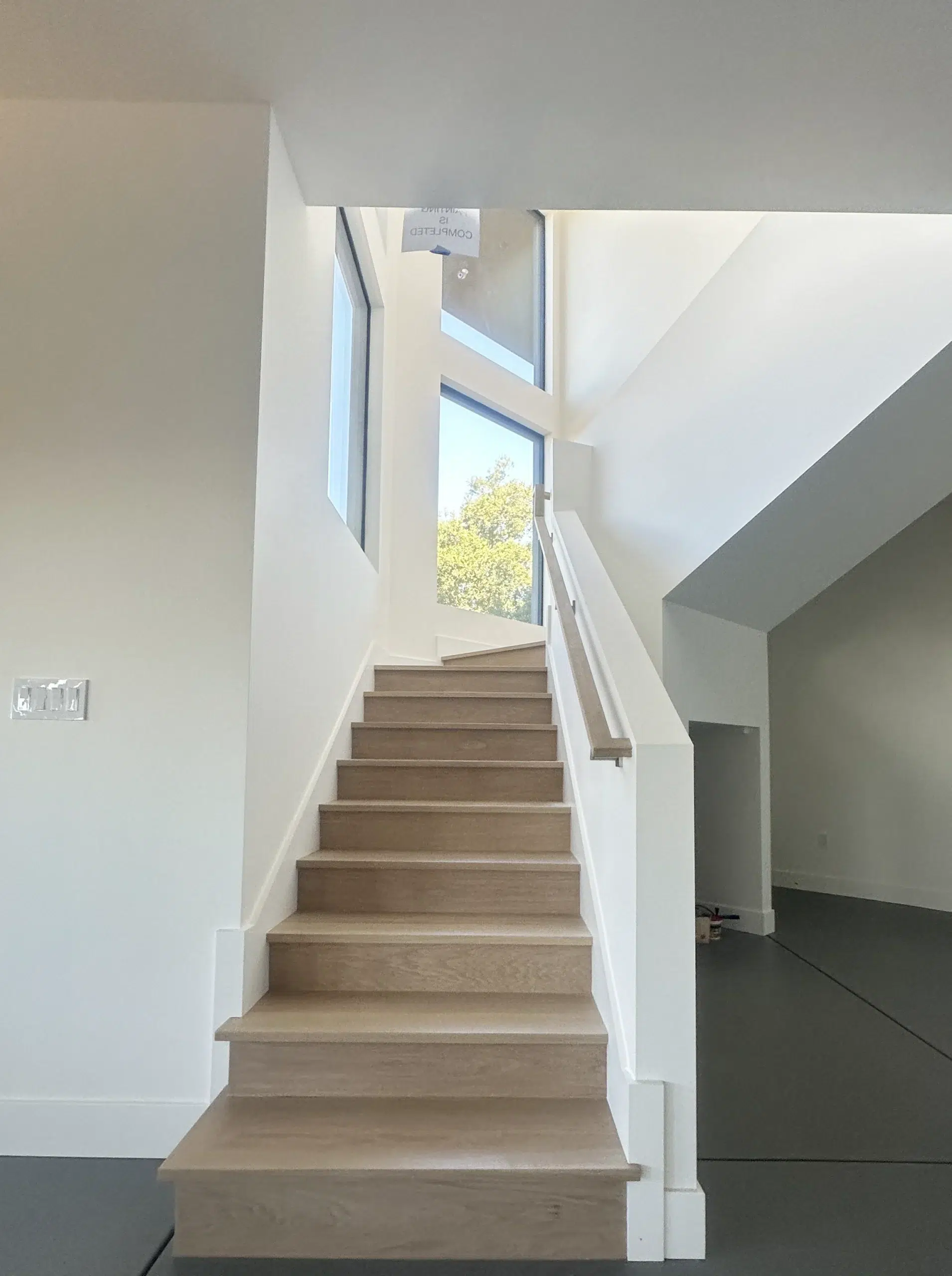 Lighting can significantly change how a paint color appears.
A room with large windows and abundant daylight may display a color differently from an interior hallway illuminated primarily by artificial lighting. The direction of natural light and the type of artificial lighting can also affect how warm, cool, light, or dark a color appears.
For this reason, evaluating samples in the actual commercial space is useful before making a final decision.
Should Commercial Spaces Use Neutral Colors?
Neutral colors can work well in many commercial environments because they provide flexibility and can complement a wide variety of furnishings and finishes.
However, neutral does not have to mean using the same color everywhere. Different shades and undertones can create contrast while maintaining a consistent overall appearance.
Neutral walls can also provide a background for signage, artwork, products, furniture, or branded elements that are intended to receive more visual attention.
When Should You Use Accent Colors?
Accent colors can help define important areas without overwhelming the entire interior.
A stronger color might be used behind a reception desk, on a feature wall, around an architectural detail, or in an area where the business wants to create a visual focal point.
Businesses can also incorporate brand colors selectively rather than applying them throughout every room. This can create a recognizable connection to the brand while allowing the rest of the commercial interior to remain adaptable.
Consider How Colors Connect Different Areas
Commercial properties often contain several spaces that customers or employees move through during the day.
Entrances, reception areas, hallways, offices, conference rooms, and customer spaces do not necessarily need identical colors, but the palette should feel connected.
Repeating selected colors or using shades with compatible undertones can help create continuity as people move through the property.
Think About the Size of the Space
Color can influence how the proportions of a room are perceived.
Lighter colors are often useful when businesses want smaller or darker areas to feel more open, while deeper colors can provide contrast or create a more defined atmosphere in larger spaces.
The amount of natural light, ceiling height, furnishings, and overall layout should be considered along with room size before making a decision.
Don’t Forget Doors, Trim, and Architectural Features
Walls are not the only surfaces that contribute to a commercial color scheme.
Doors, frames, trim, columns, built-in features, and other architectural details can either blend with surrounding walls or provide intentional contrast.
Planning these surfaces at the same time as the primary wall colors can help the finished commercial painting project look more coordinated.
Consider Maintenance and Traffic
Color selection should also account for how the property is used.
Entrances, hallways, waiting areas, retail spaces, and other high-traffic locations may experience frequent contact and cleaning. Both color and paint finish can influence how easily these surfaces can be maintained.
A commercial painter can help determine which products and finishes are appropriate for different areas while maintaining the desired color scheme.
Test Colors Before Making the Final Decision
Small color samples viewed under showroom or store lighting do not always represent how the finished walls will look.
Testing potential colors in the actual commercial environment allows business owners to evaluate them with existing flooring, furniture, fixtures, and lighting.
View samples at different times of day when possible, particularly in spaces with significant natural light. This can help prevent surprises after a larger area has been painted.
Choosing Colors for Your Berkeley Commercial Property
The best commercial paint colors are those that work with the property, support the way each space is used, and complement existing design elements and business identity.
Taking time to evaluate lighting, permanent features, traffic, room size, and the relationship between different areas can help create a more consistent finished environment.
EAG Painting & Decoration provides interior and exterior commercial painting services for businesses and property owners throughout Berkeley and the surrounding East Bay.
Call 510-701-8730 to request a free estimate, or Schedule a Consultation to discuss your painting project.


