
The time required to paint a commercial building can vary considerably from one property to another. Building size, surface condition, preparation, accessibility, weather, and whether the business remains open during painting can all influence the project schedule.
For businesses preparing for interior or exterior work, our Commercial Painting Guide for East Bay Businesses provides a broader overview of preparation, coatings, scheduling, and other factors involved in commercial painting throughout the East Bay.
Rather than relying on a standard number of days, it is more useful to understand the conditions that determine how long a particular project may take.
How Does Building Size Affect the Timeline?
The amount of surface area being painted is one of the most obvious factors affecting project length.
Painting several offices or a small storefront may require considerably less time than repainting a large commercial facility. Ceilings, doors, trim, stairways, multiple floors, and exterior elevations can add to the overall scope.
The number of painters assigned to the project can also influence how quickly different areas can be completed.
For Alameda businesses planning a project, What Alameda Businesses Should Know Before Painting covers additional considerations including preparation, business operations, access, and project scheduling.
How Much Preparation Is Required?
Painting does not begin with the finish coat.
Existing surfaces may need to be cleaned, patched, scraped, sanded, caulked, or primed before new paint is applied. A property with relatively sound surfaces may require less preparation than a building with peeling coatings, damaged areas, stains, or numerous previous repairs.
Commercial painting contractors should evaluate these conditions before providing an expected project timeline.
Does Interior Painting Take Less Time Than Exterior Painting?
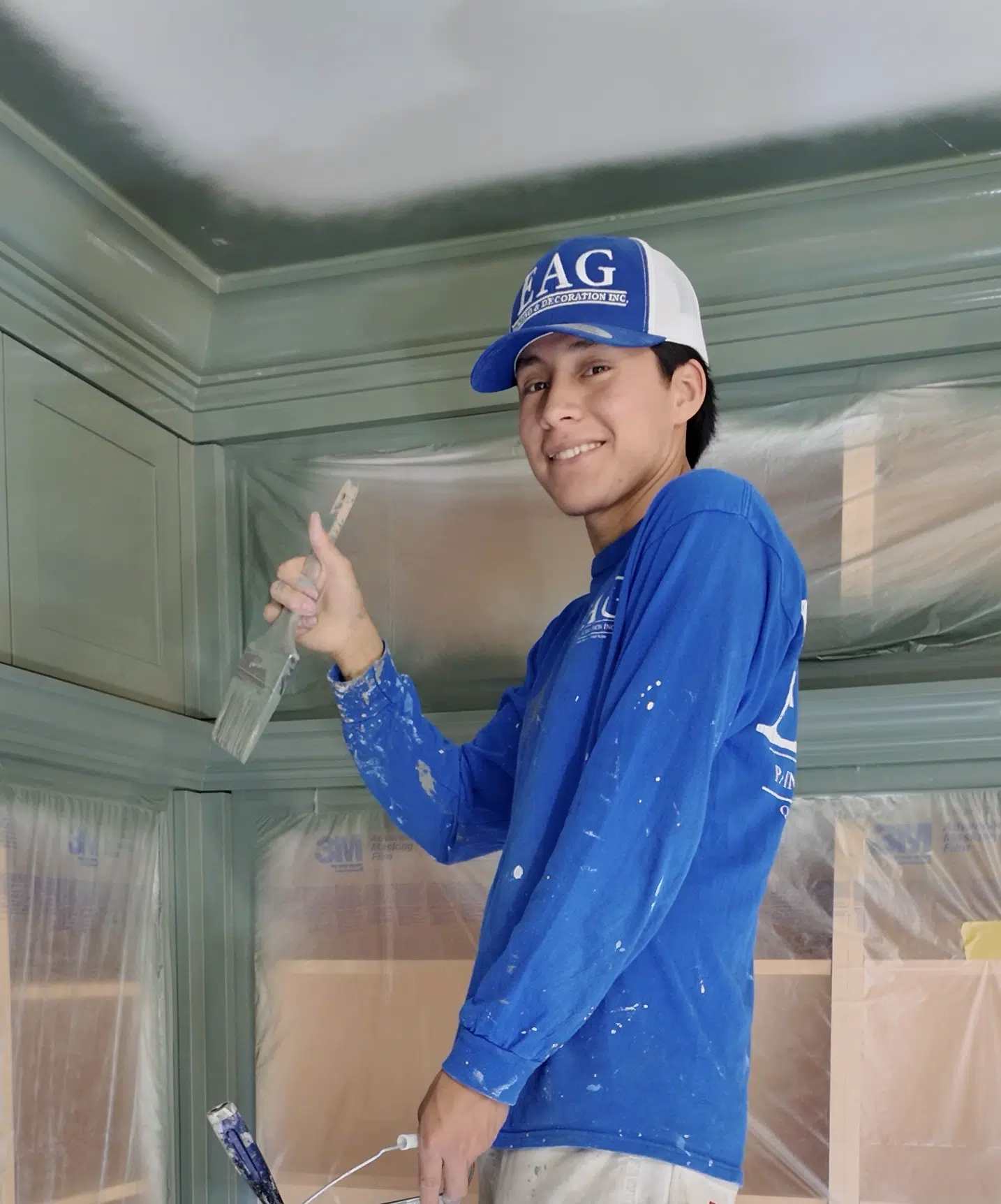 Not necessarily. Interior and exterior commercial painting have different factors that can affect scheduling.
Interior projects may involve moving or protecting furniture, equipment, merchandise, and other property. Painters may also need to work around employees, customers, tenants, and occupied rooms.
Exterior projects can involve larger surfaces, specialized access, changing weather, and different building materials.
The complete scope and condition of the property matter more than whether the work is indoors or outdoors.
How Do Drying and Recoat Times Affect the Schedule?
Paints, primers, and other coatings require appropriate drying time before additional coats can be applied or surfaces returned to normal use.
The required time depends on the products being used and the conditions where they are applied. Temperature, humidity, ventilation, and surface conditions can all influence drying.
Trying to rush these stages can interfere with the painting process, so appropriate drying and recoat times should be included in the project schedule.
Can Surface Repairs Extend the Project?
Yes. Unexpected surface conditions can affect a commercial painting timeline.
Once preparation begins, painters may discover damaged areas, deteriorated coatings, previous repairs, or other conditions that were not fully visible during the initial evaluation.
When this happens, the contractor should communicate what was found and whether additional work or time may be necessary before painting continues.
Does the Business Need to Close During Painting?
Many commercial painting projects can be organized around normal business operations.
Painters may work by room, section, floor, or exterior elevation so other areas remain available. However, working in phases can sometimes extend the overall project compared with having unrestricted access to the entire property.
The schedule should balance efficiency with the practical needs of the business.
How Do Business Hours Affect the Timeline?
Customer traffic, employee schedules, deliveries, tenant access, and other daily activities can determine when certain areas are available for painting.
A contractor may need to avoid busy entrances during peak hours or complete occupied areas in a particular sequence.
Businesses with strict access windows should discuss those limitations during the estimate process so they can be incorporated into the proposed timeline.
Can Weather Delay Exterior Commercial Painting?
Weather can have a significant effect on exterior painting.
Rain, moisture, temperature, wind, and direct sunlight may influence when surfaces can be prepared or coatings applied. Conditions can also affect drying after paint has been applied.
Commercial exterior painting contractors should account for weather conditions throughout the project rather than assuming every scheduled day will be suitable for exterior work.
Can More Painters Make the Project Faster?
A larger crew may allow more work to be completed simultaneously, but adding painters does not automatically shorten every part of a project.
Some preparation and painting tasks need to occur in a particular sequence. Drying times also remain necessary regardless of crew size.
Access limitations can further restrict how many painters can work efficiently in the same area at once.
A well-planned crew size should reflect the property and scope rather than simply maximizing the number of people onsite.
How Can Businesses Help Keep Painting on Schedule?
Preparing the property before the agreed start date can help reduce avoidable delays.
Move or identify furniture, equipment, merchandise, vehicles, or other items that may interfere with access. Make sure painters can enter restricted areas included in the project and identify an onsite contact who can answer questions when necessary.
Employees or tenants should also be informed about temporary access changes before work reaches their areas.
Ask for a Project-Specific Timeline
Instead of relying on a general estimate for how long commercial painting takes, ask the contractor to provide a timeline based on your actual property.
The schedule should account for preparation, application, drying, access, operating hours, and other known conditions.
Larger projects may also benefit from milestones or phases so business owners can understand which areas are expected to be completed at different points.
Planning Your Alameda Commercial Painting Schedule
There is no single timeline that applies to every commercial building. A smaller project with surfaces in good condition may progress relatively quickly, while a larger occupied property requiring extensive preparation can take considerably longer.
Evaluating the building before work begins allows the painting contractor to develop a more realistic schedule based on the actual scope and operating requirements.
EAG Painting & Decoration provides interior and exterior commercial painting services for businesses and property owners throughout Alameda and the surrounding East Bay.
Call 510-701-8730 to request a free estimate, or Schedule a Consultation to discuss your painting project.


