
The cost of commercial painting in the East Bay can vary considerably from one property to another. Building size is important, but it is only one part of the estimate. Surface condition, preparation requirements, accessibility, paint products, project scheduling, and the number of surfaces being painted can all influence the final price.
Because commercial properties differ so much, an onsite evaluation is usually more useful than relying on a general price per square foot. Our Commercial Painting Guide for East Bay Businesses provides additional information about planning interior and exterior commercial painting projects.
Understanding what goes into an estimate can help business owners compare proposals and budget more accurately.
How Does the Size of the Property Affect Painting Cost?
Larger buildings generally require more labor and materials, but square footage alone does not determine the cost.
A large open commercial space may be relatively straightforward to paint, while a smaller property with numerous offices, doors, trim, detailed surfaces, or difficult-to-reach areas may require significantly more labor.
For this reason, commercial painting contractors usually need to evaluate the complete scope rather than simply calculate the floor area of the building.
Surface Preparation Can Affect the Estimate
Preparation is one of the biggest variables in commercial painting.
Walls or exterior surfaces in good condition may require relatively routine preparation. Other properties may need extensive cleaning, scraping, sanding, patching, caulking, priming, or other work before painting can begin.
If existing paint is peeling or surfaces are damaged, additional preparation may be necessary to create a suitable foundation for the new coatings.
Interior and Exterior Projects Have Different Cost Factors
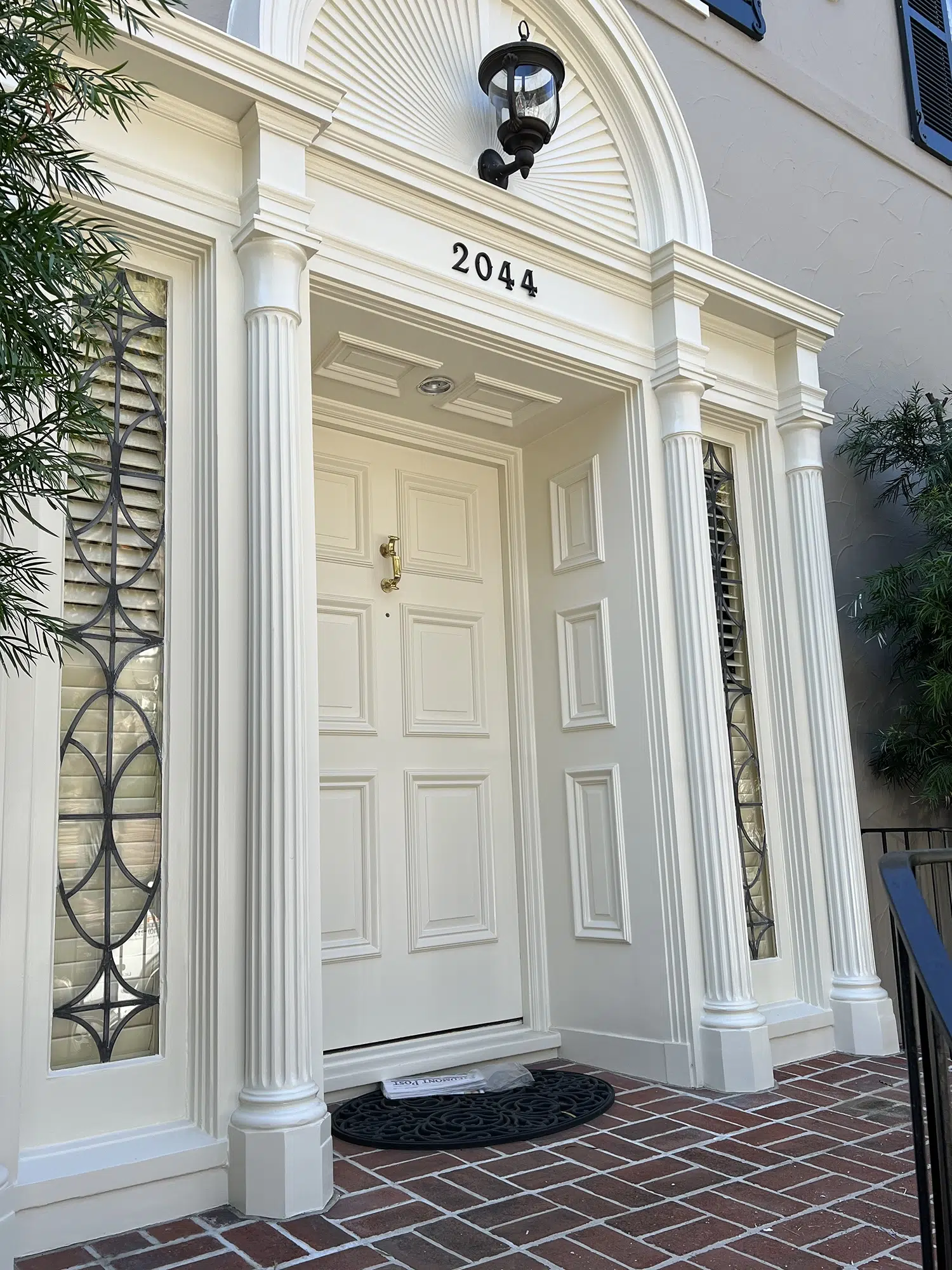 Interior commercial painting may involve walls, ceilings, doors, trim, offices, hallways, reception areas, and other spaces.
Costs can also be affected by furniture, equipment, customer traffic, and the amount of protection required around occupied areas.
Commercial exterior painting introduces different considerations, including building height, access, surface materials, weather exposure, and the equipment required to reach different areas.
The estimate should reflect the actual conditions of the project rather than treating all commercial painting the same way.
Building Height and Accessibility Matter
Accessibility can significantly affect the amount of labor and equipment required.
A single-story commercial property with open access may be simpler to work on than a multistory building or a property with restricted areas.
High walls, stairwells, complex exterior elevations, landscaping, equipment, or other obstacles can make preparation and painting more involved.
Commercial exterior painting contractors should evaluate access before determining the project price.
Paint and Coating Selection Can Change the Cost
Not every commercial surface requires the same product.
Interior walls, high-traffic areas, doors, trim, masonry, metal, wood, and exterior surfaces may require different primers and finish coatings.
Product selection should consider the surface, environment, expected traffic, cleaning requirements, and desired appearance.
Choosing coatings solely based on the lowest material cost may not provide the most appropriate solution for every area.
Does Changing Paint Colors Affect the Price?
It can.
A major color change may require additional coats to achieve consistent coverage, particularly when changing from a very dark color to a light one or vice versa.
Using several colors throughout a property may also require additional setup, cutting, and coordination compared with applying one consistent color to large areas.
The painting company should consider the selected color scheme when determining material and labor requirements.
Can Business Hours Affect Commercial Painting Costs?
Scheduling requirements can influence how a commercial painting project is organized.
Some businesses can provide painters with unrestricted access during normal working hours. Others may require painting to occur in phases, during quieter periods, or around customer and employee schedules.
Projects requiring specialized scheduling may involve additional coordination or take longer to complete.
Discuss operating requirements before accepting an estimate so the proposed scope reflects how the work will actually be performed.
Occupied Spaces May Require Additional Protection
Painting an empty commercial building is different from working around an operating business.
Furniture, merchandise, electronics, flooring, equipment, and customer areas may need to be carefully protected. Work zones may also need to be established and moved as the project progresses.
The amount of preparation and protection required should be included when evaluating commercial painting estimates.
Repairs May Add to the Project Scope
Painting can reveal or draw attention to existing surface problems.
Cracks, damaged drywall, deteriorated caulking, failing coatings, or other conditions may need to be addressed before painting.
Ask whether repairs are included in the proposal and how unexpected conditions discovered after work begins will be handled.
A detailed estimate can help reduce uncertainty about what is and is not included.
Why Can Commercial Painting Estimates Be Different?
Two estimates for the same property may vary because contractors are not necessarily proposing identical work.
One estimate may include more extensive preparation, different paint products, additional coats, repairs, or greater protection of surrounding areas.
When comparing commercial painting companies, review the scope rather than focusing only on the total price.
Make sure you understand which surfaces will be painted, what preparation is included, what coatings will be used, and whether cleanup is part of the proposal.
Request a Property-Specific Estimate
Online averages can provide general context, but they cannot account for the actual condition of your commercial property.
A property-specific estimate allows the painting contractor to evaluate the surfaces, accessibility, preparation requirements, project size, and scheduling needs before determining the cost.
It also gives business owners an opportunity to discuss priorities and determine whether the entire property or selected areas should be addressed.
Estimating Commercial Painting Costs in the East Bay
The cost of commercial painting depends on much more than building size. Preparation, surface condition, accessibility, coating selection, repairs, scheduling, and the complexity of the property can all influence the final estimate.
A detailed evaluation is the best way to understand what your specific project may require.
EAG Painting & Decoration provides commercial paint services for businesses and property owners throughout Oakland, Berkeley, Alameda, and the surrounding East Bay.
Call 510-701-8730 to request a free estimate, or Schedule a Consultation to discuss your painting project.


